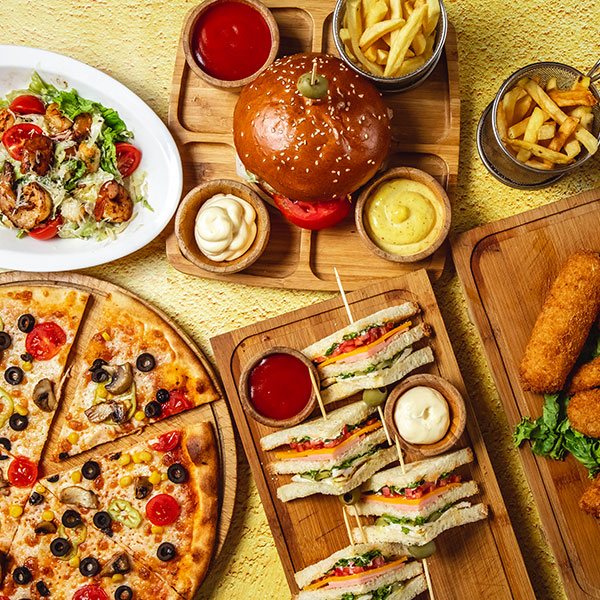
A banquet for two hundred guests is not just a large restaurant order. The business often needs to agree a quotation first, plan the menu, estimate ingredient requirements, confirm stock availability and procure shortages before the event can be executed confidently.
Start with a commercial quotation
Corporate and event customers commonly need a clear proposal before the kitchen begins preparation. The quotation should describe what the business intends to provide and give both sides a reference for the agreed commercial value.
That avoids turning kitchen preparation into the first formal record of the event.
Headcount changes ingredient requirements
An event menu becomes operational only when quantities are considered against the expected number of guests. Ingredient planning translates the menu requirement into the raw materials the kitchen expects to need.
The value is not perfect prediction; it is giving purchasing and stores a usable preparation target.
Check stock before the event day
Once ingredient requirements are visible, the team can compare them with available inventory and identify likely shortages early enough to purchase or receive additional stock.
That connects banquet planning to the same purchasing and goods-receiving discipline used by the rest of the restaurant.
Process stock when the event is actually executed
Planning should not silently consume stock before the kitchen has committed to the event. When the banquet is processed, the relevant ingredient deductions can then become part of the inventory record.
This keeps planning quantities and actual stock movement conceptually separate.
Corporate billing needs traceability
After service, the business still needs an invoice, payment and, where configured, its tax-document workflow. Keeping the quotation and operational records in the same system gives finance a clearer path from the original proposal to final billing.
Use approvals for exceptional commercial decisions
Large events may involve negotiated discounts or complimentary elements. Where the business policy requires authorization, approval controls can keep those exceptions traceable instead of letting them disappear inside the final total.
Separate the sales promise from the kitchen plan
The quotation is a commercial promise to the customer; the ingredient plan is an internal operational requirement. They are related, but they should not be confused. A quoted buffet package may be easy for the customer to understand while the kitchen needs a much more detailed breakdown of ingredients and quantities.
Keeping both records allows sales staff to communicate clearly with the client while kitchen and stores teams prepare with the level of detail they need.
Create checkpoints before committing to the event
Before the banquet is processed, management should be able to review whether the quotation is accepted, the guest count is current, the ingredient requirement is realistic and purchasing gaps have been addressed. A late change in headcount can materially change the preparation requirement, so the plan should be reviewed when event details change.
This is especially useful for corporate work where the commercial document, event preparation and final invoice may be handled by different people but still need to describe the same event.
Key takeaways
- Create the quotation before kitchen execution begins.
- Translate guest count and menu requirements into ingredient needs.
- Use the plan to identify likely purchasing or receiving requirements.
- Deduct stock when the banquet is processed rather than during early planning.
- Keep the final invoice and configured eTIMS workflow connected to the event record.
How Menulyn supports this workflow
Menulyn connects quotations and banquet/event requirements to ingredient planning so a large event can be considered before stock is consumed, while the resulting billing remains connected to the wider restaurant operation. Explore Catering & Banquet Management for the implemented Menulyn workflow.